

The Encounter

Works
-
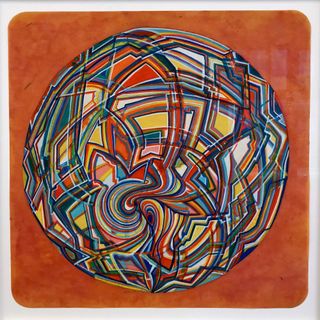
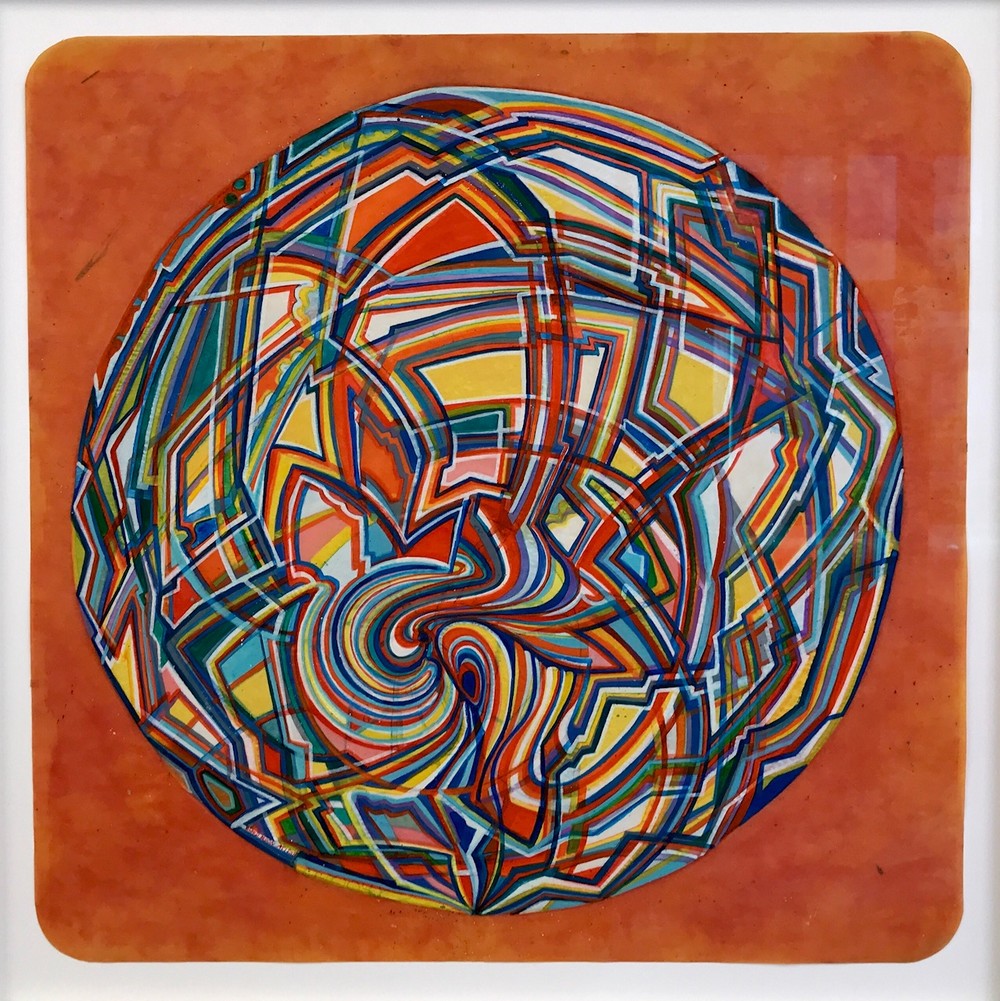
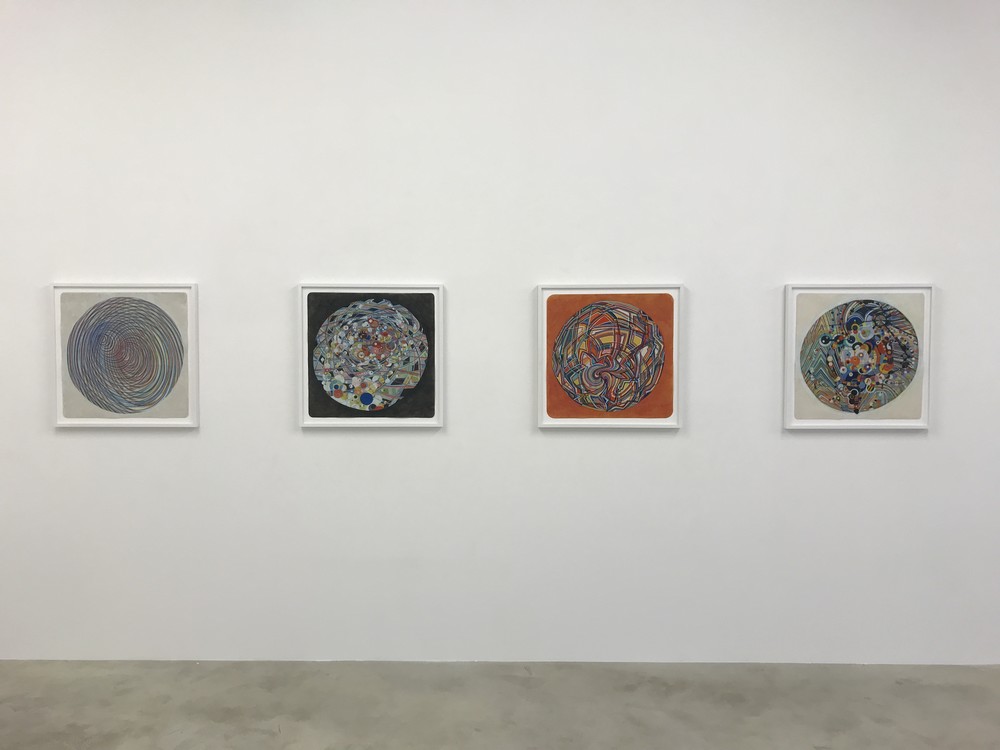
Bloodmoon -
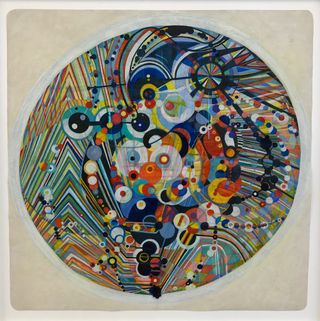
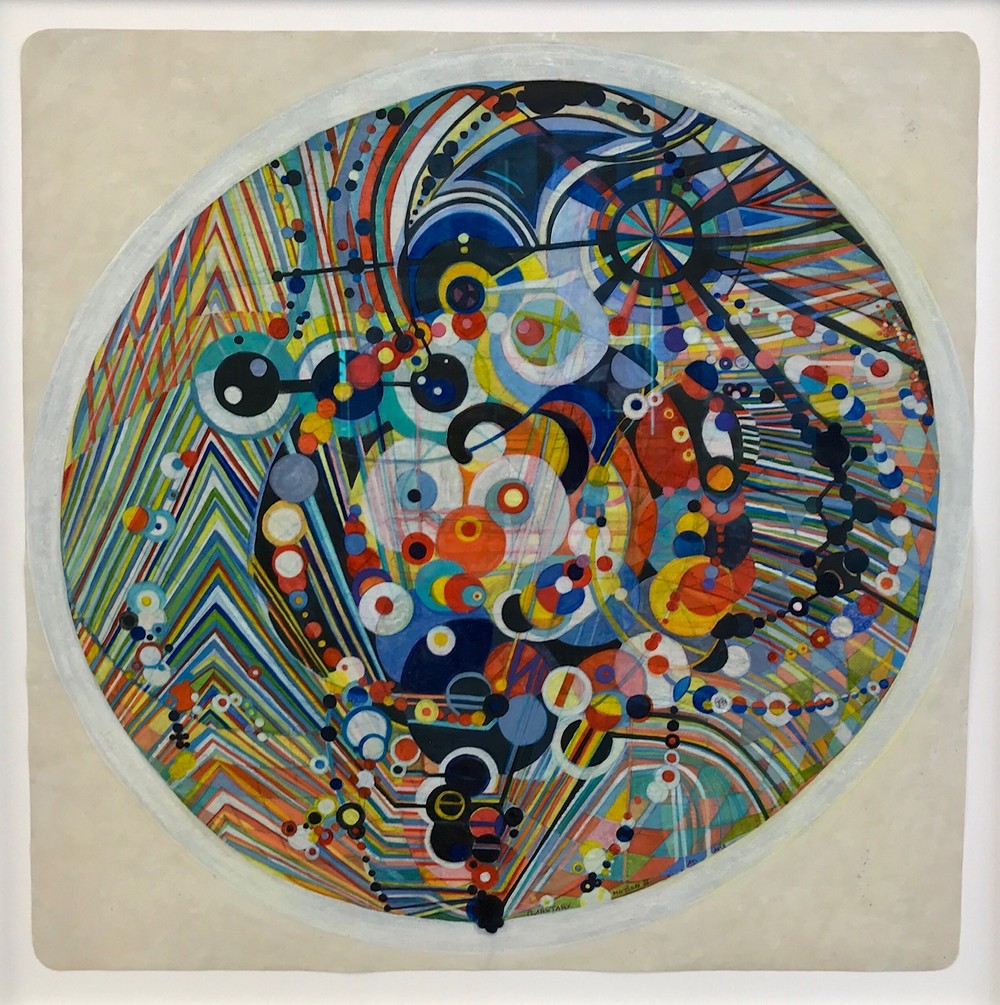
Planetary Motion II -
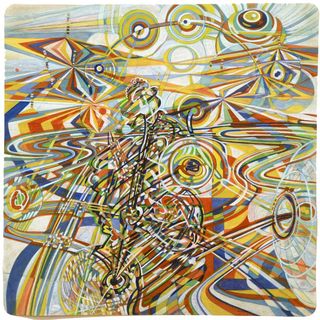
Four Corners -
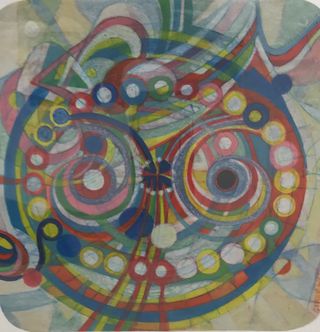
Circulum -
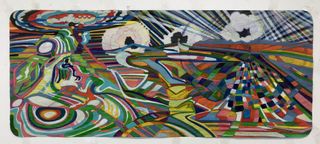
Crescent -
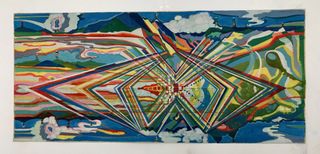
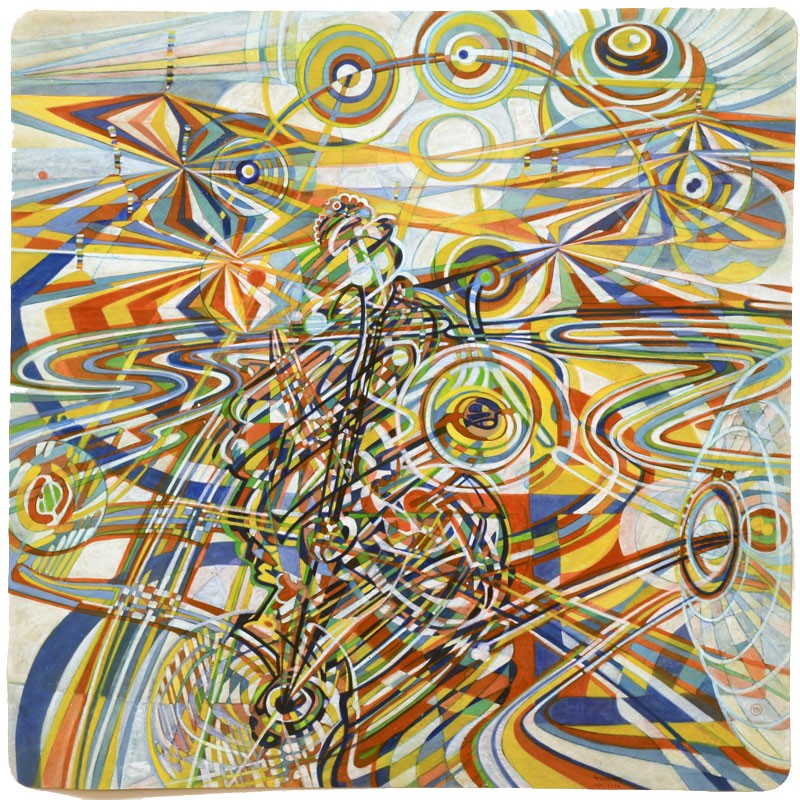
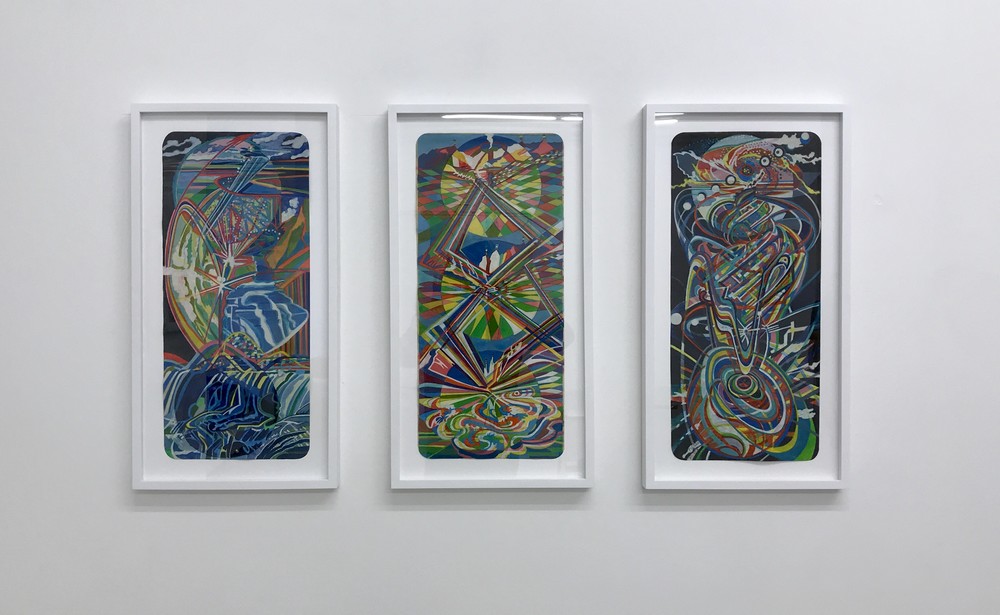
Double Sky -
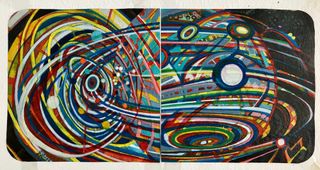
Quasar (Dyptich) -
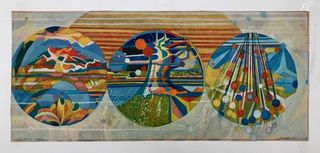
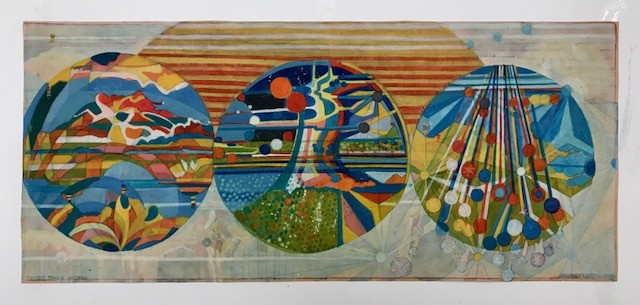
Three Moons Aschersleben -
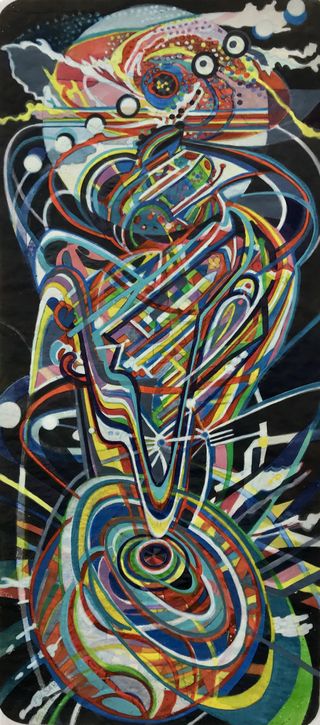
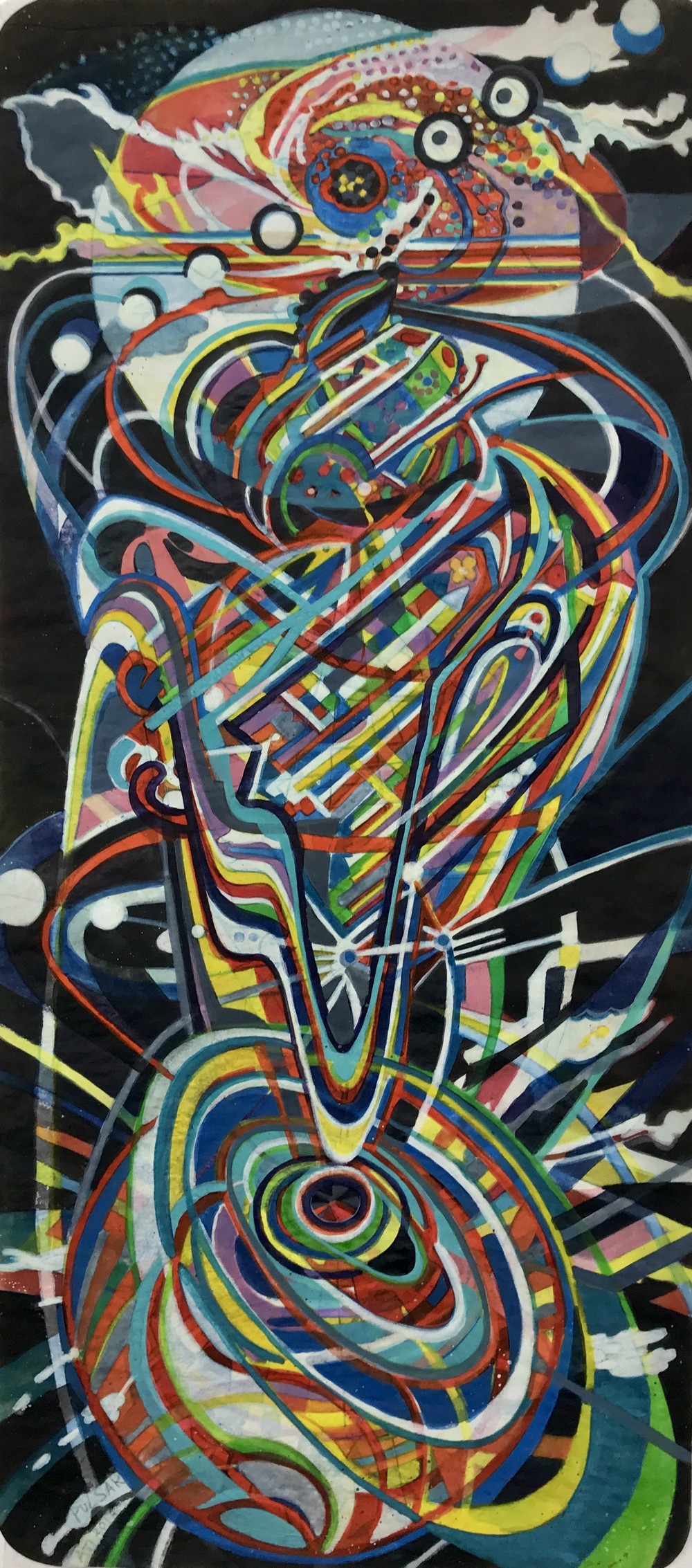
Pulsar -
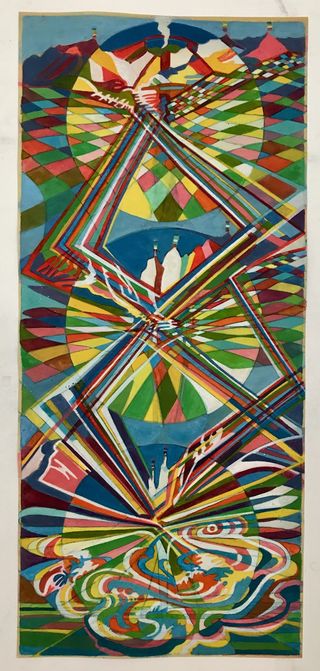
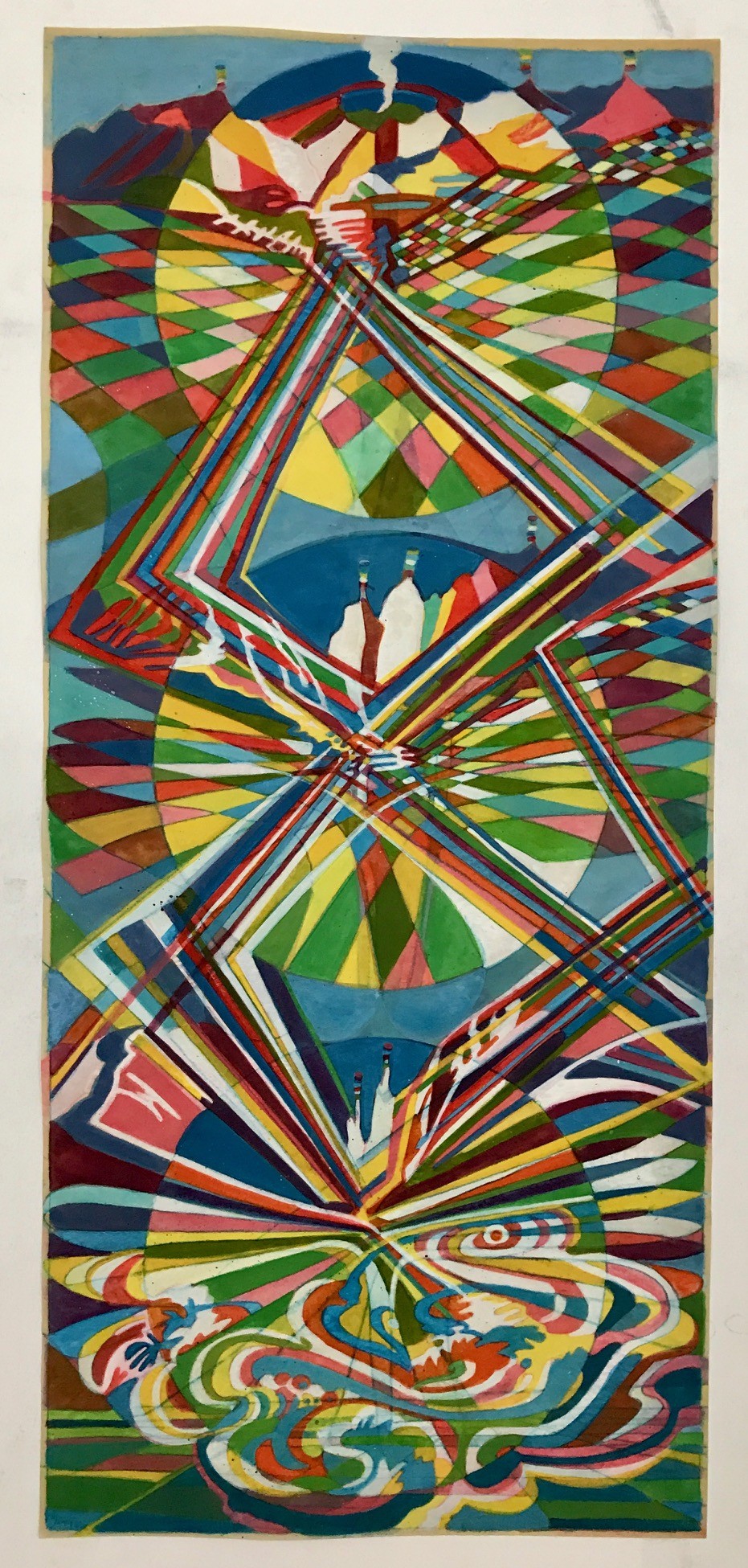
Three Times over -
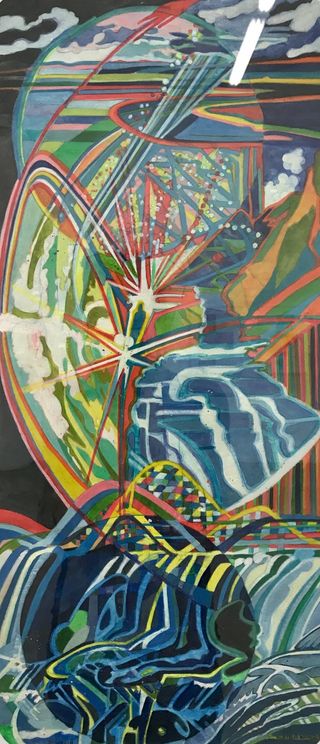
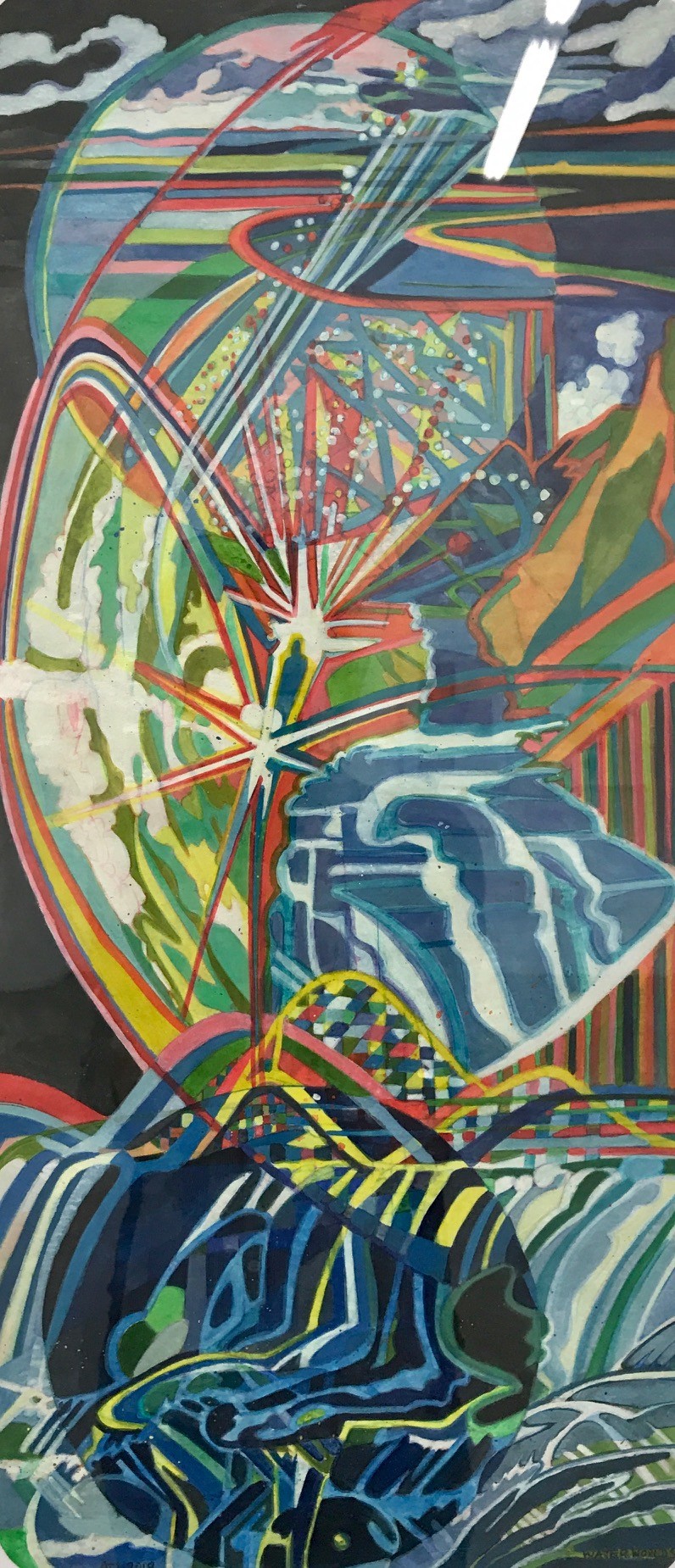
Waterworlds -
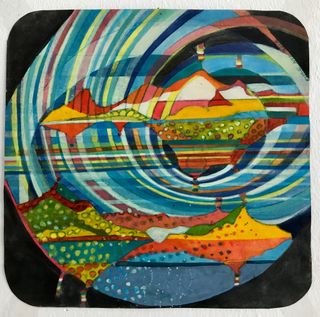
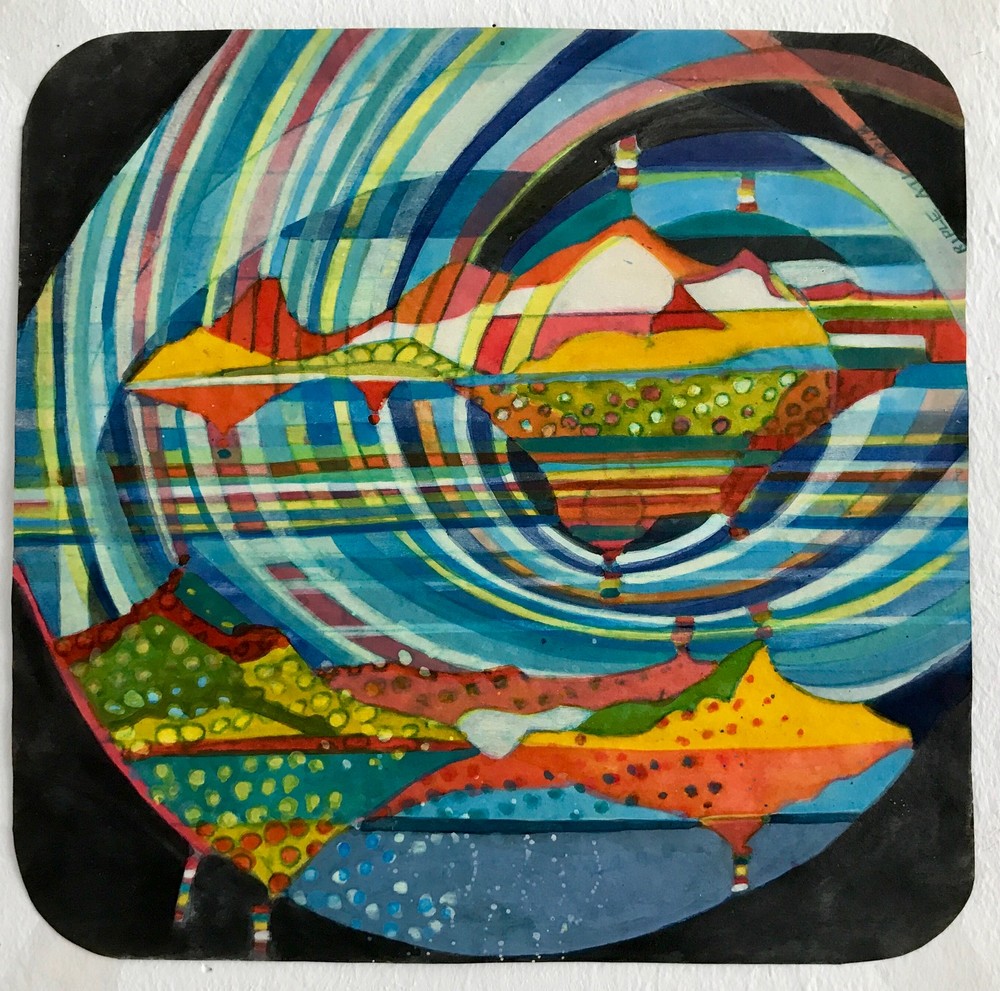
Ripple -
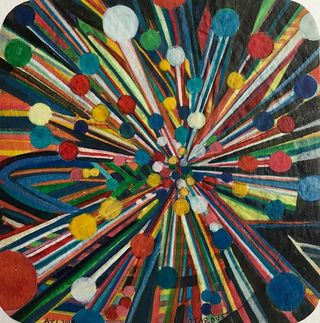
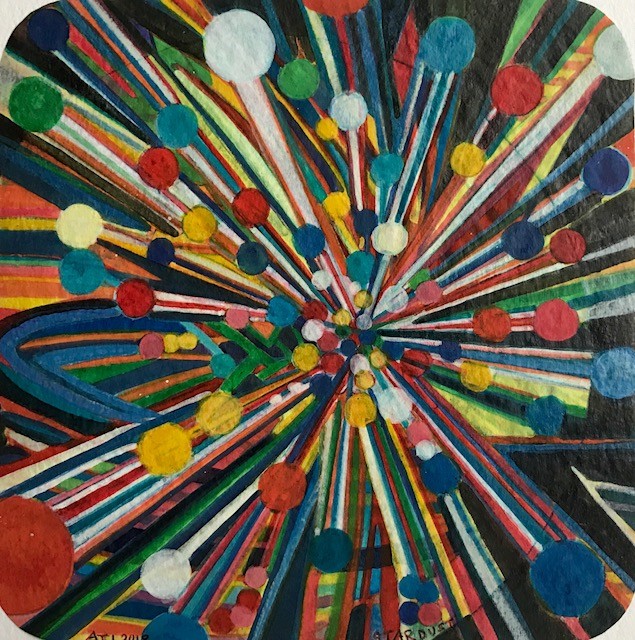
Stardust -
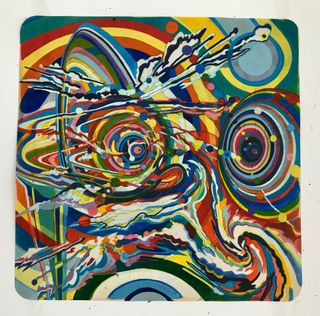
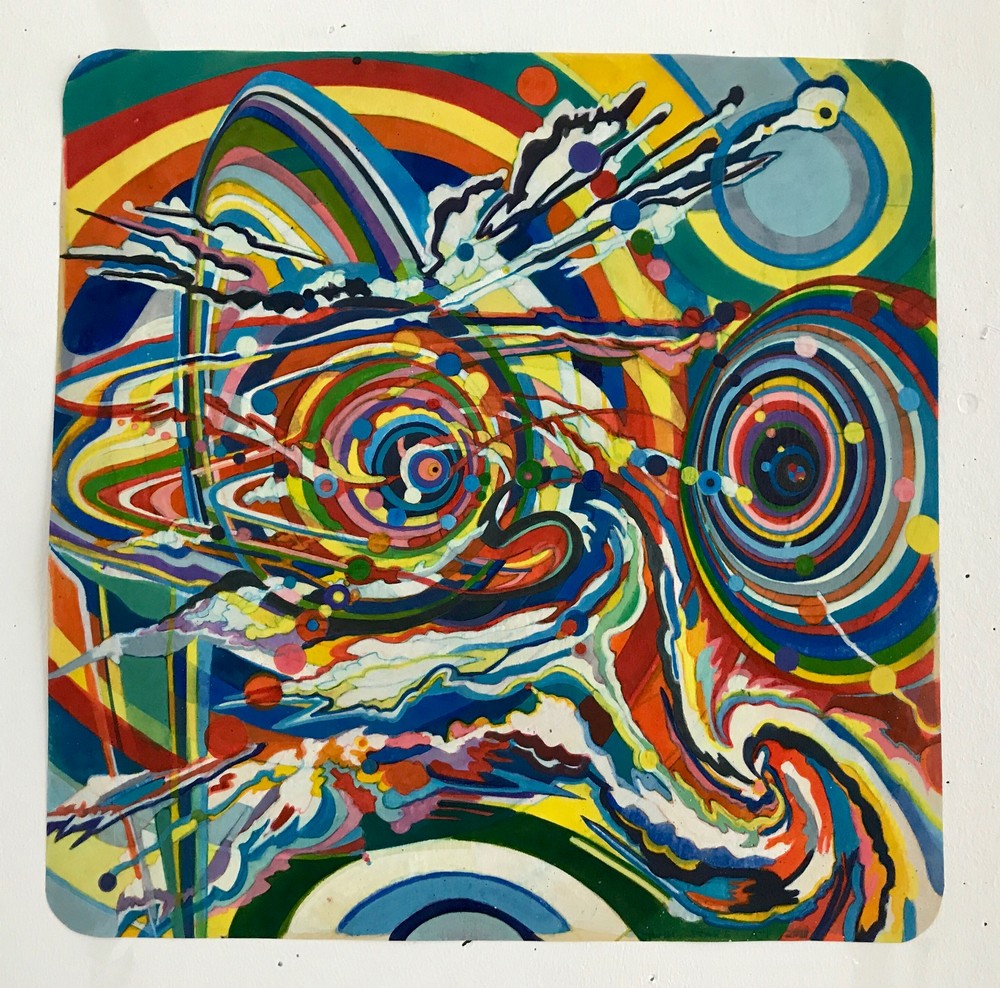
Twin Stars -
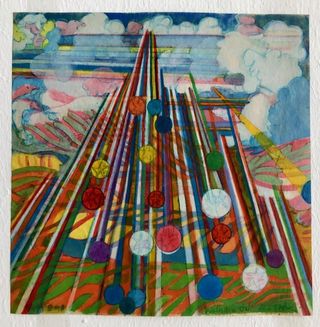
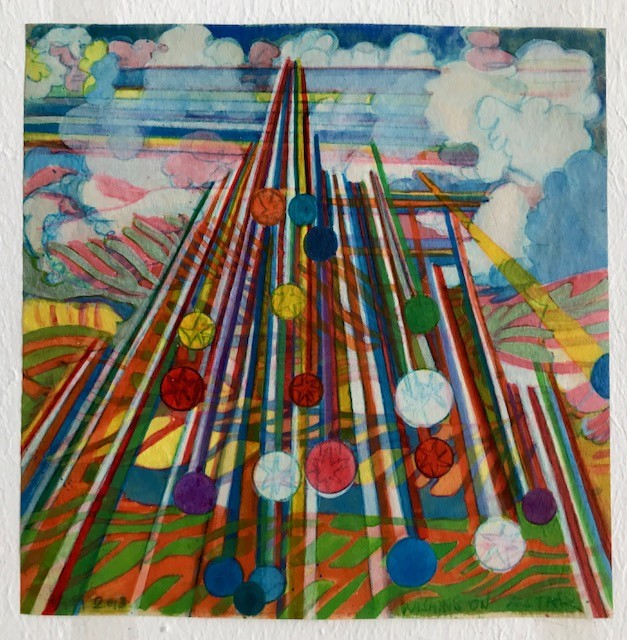
Wishing on a star -
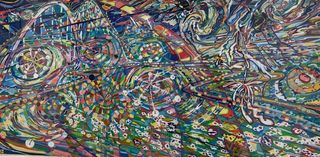
Eight Belles -
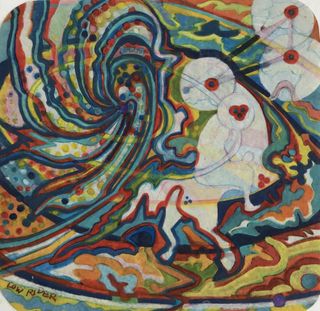
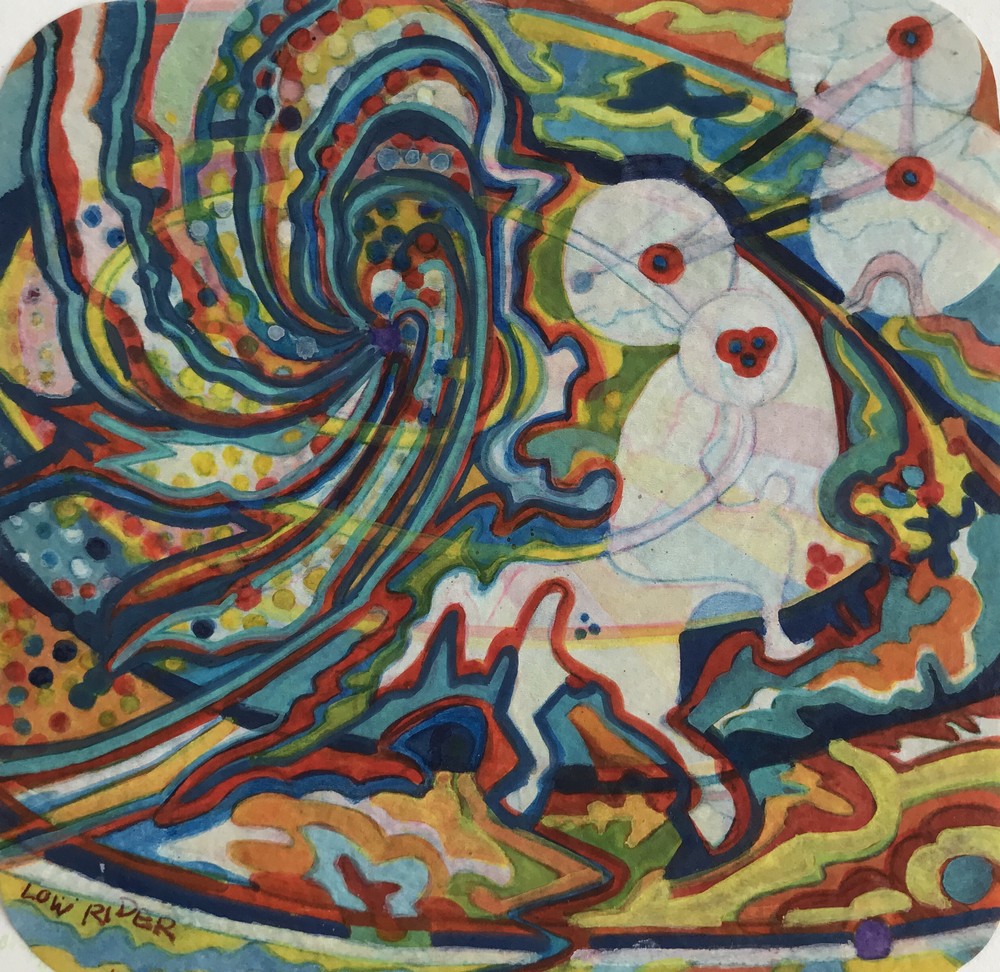
Low Rider
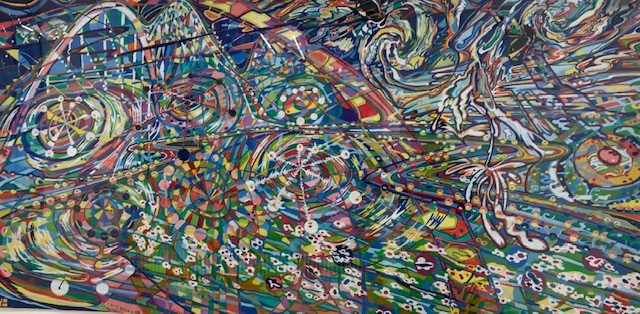
| No. | Image | Title | Medium | Dimensions | Year |
|---|---|---|---|---|---|
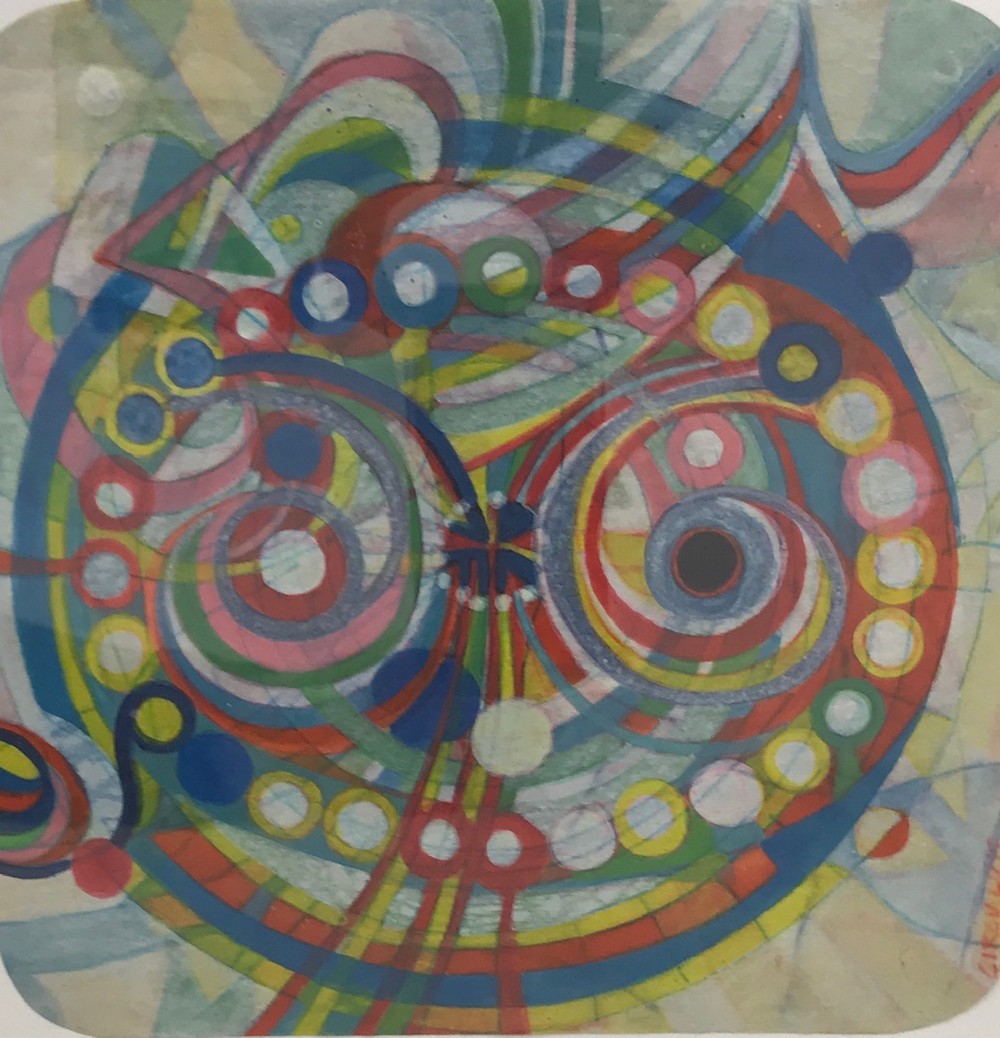
| 1 | Bloodmoon | Ink, woodstain on paper | 60 x 60 cm | 2018 | |
| 2 | Planetary Motion II | Ink, woodstain on paper | 60 x 60 cm | 2018 | |
| 3 | Four Corners | Ink, woodstain on paper | 60 x 60 cm | 2016 | |
| 4 | Circulum | Ink, woodstain on paper | 19 x 19 cm | 2018 | |
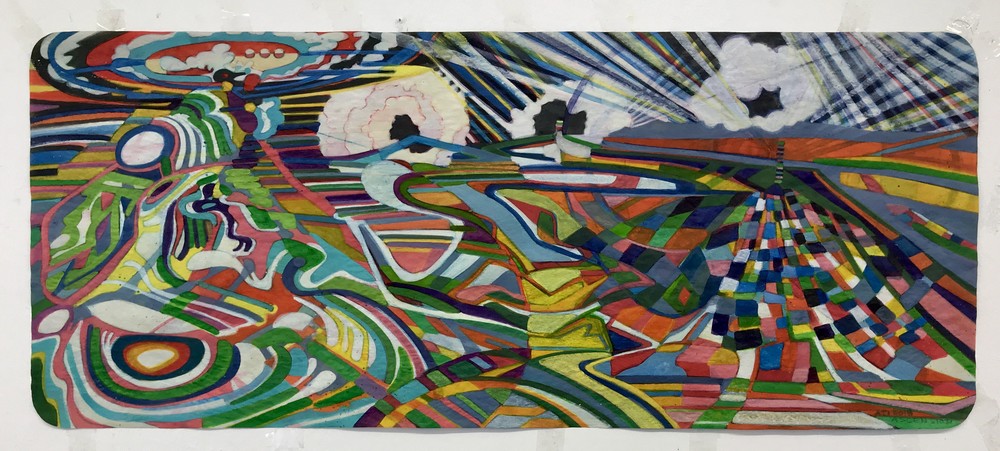
| 5 | Crescent | Ink, woodstain on paper | 27 x 60 cm | 2018 | |
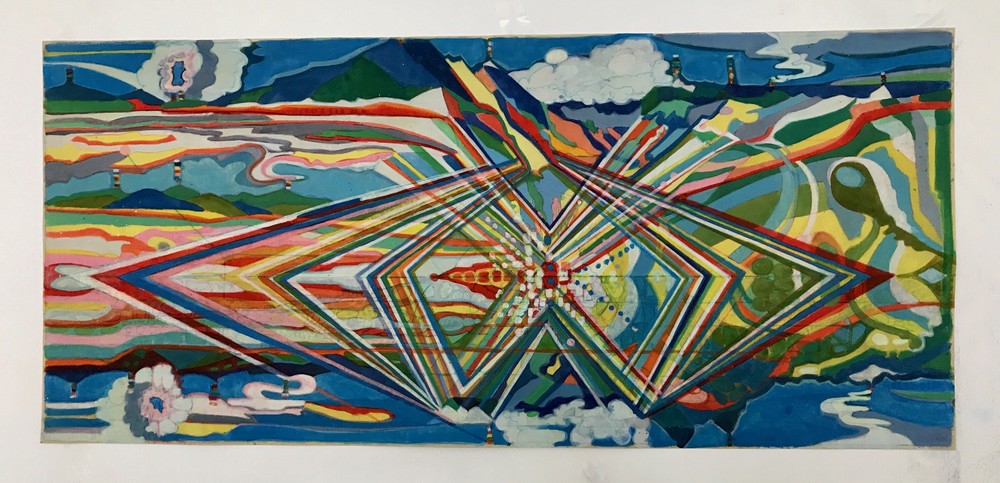
| 6 | Double Sky | Ink, woodstain on paper | 27.5 x 60.5 cm | 2018 | |
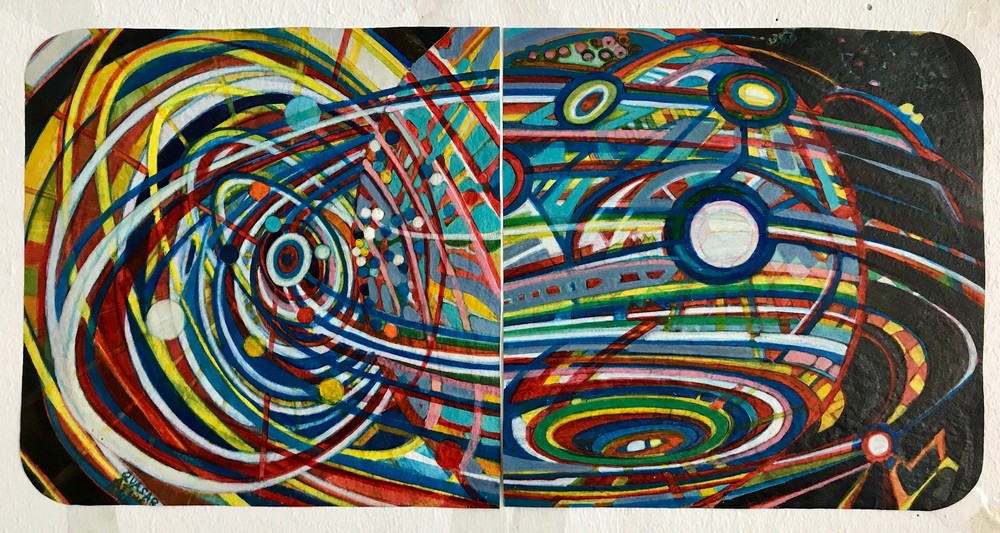
| 7 | Quasar (Dyptich) | Ink, woodstain on paper | 19 x 38 cm | 2018 | |
| 8 | Three Moons Aschersleben | Ink, woodstain on paper | 26 x 60 cm | 2018 | |
| 9 | Pulsar | Ink, woodstain on paper | 61 x 27.5 cm | 2018 | |
| 10 | Three Times over | Ink, woodstain on paper | 60.5 x 27.5 cm | 2018 | |
| 11 | Waterworlds | Ink, woodstain on paper | 60.5 x 27 cm | 2018 | |
| 12 | Ripple | Ink, woodstain on paper | 19 x 19 cm | 2018 | |
| 13 | Stardust | Ink, woodstain on paper | 19 x 19 cm | 2018 | |
| 14 | Twin Stars | Ink, woodstain on paper | 40 x 40 cm | 2018 | |
| 15 | Wishing on a star | Ink, woodstain on paper | 19 x 19 cm | 2018 | |
| 16 | Eight Belles | Ink, woodstain on paper | 60 x 120 cm | 2008 | |
| 17 | Low Rider | 2018 |


Installation shots
-
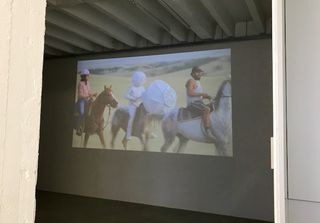
The Gallery -
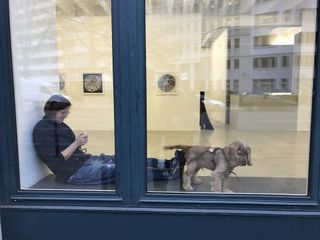
-
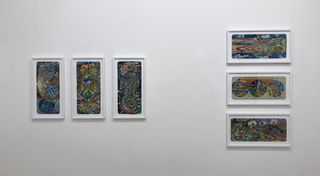
The Gallery -
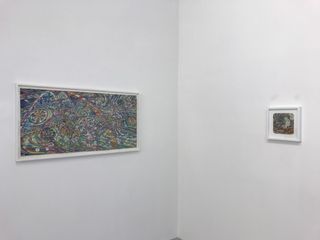
The Gallery -
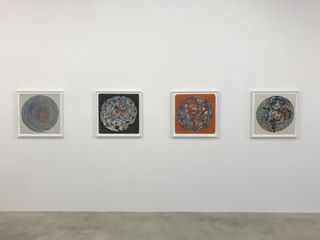
The Gallery -
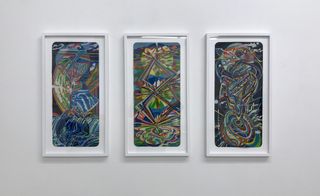
The Gallery -
The Gallery -
The Gallery -
The Gallery -
Spacerider
Ephemera review
Solo Show
“THE ENCOUNTER”
JOCHEN HEMPEL
BERLIN, Lindenstrasse 34
November 23.-December 15.,2018
A new "Ephemera" review is up now
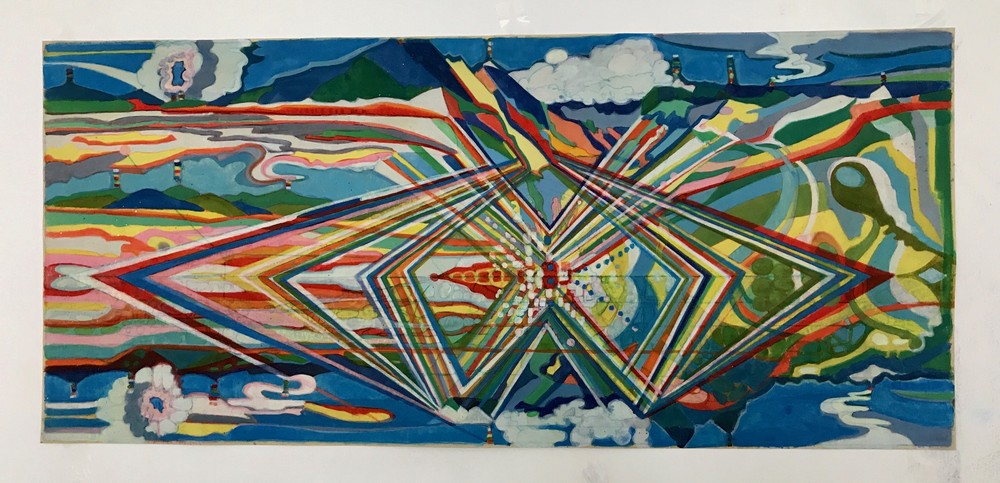
The Prophecy of the Encounter - Double Sky
Jochen Hempel Gallery, Berlin, is proud to present “The Encounter,” a new multimedia exhibition of works by the artist Ati Maier. As has been her custom for over two decades now, the show features paintings by the artist on paper, still photographs, and a live-action video. Each element coheres around Maier's inimitable penchant for creating imaginary worlds.
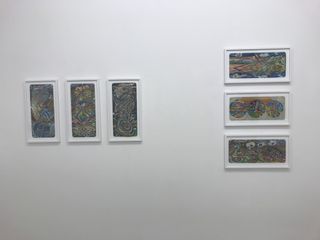
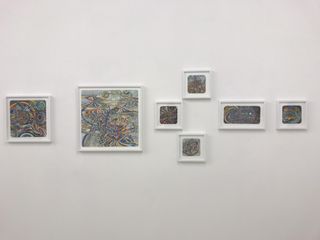
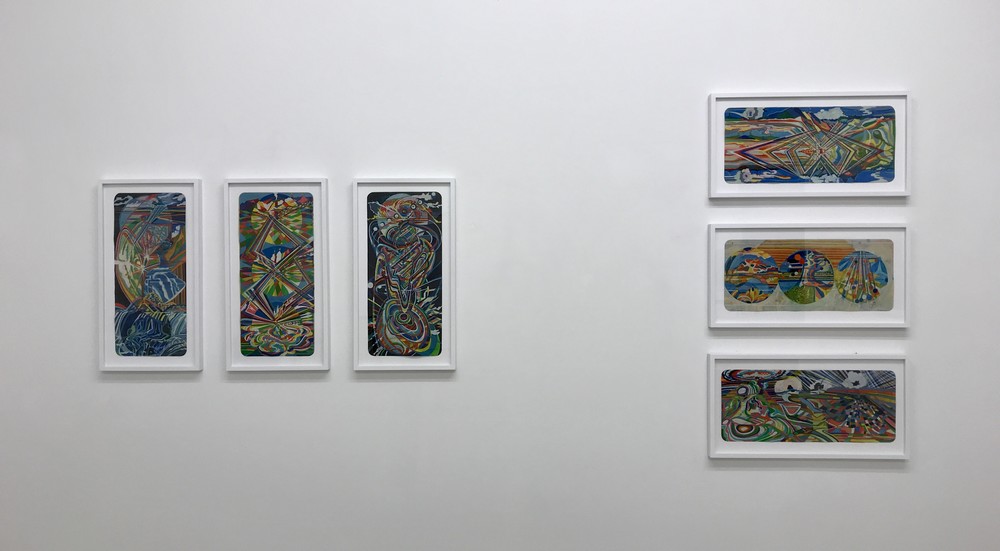
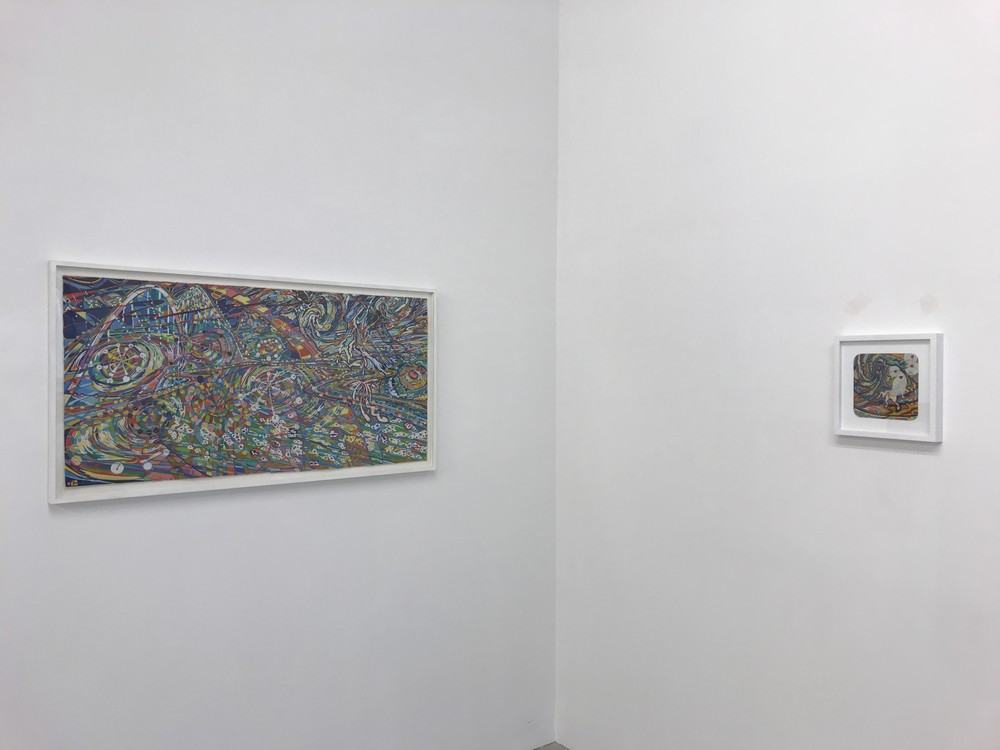
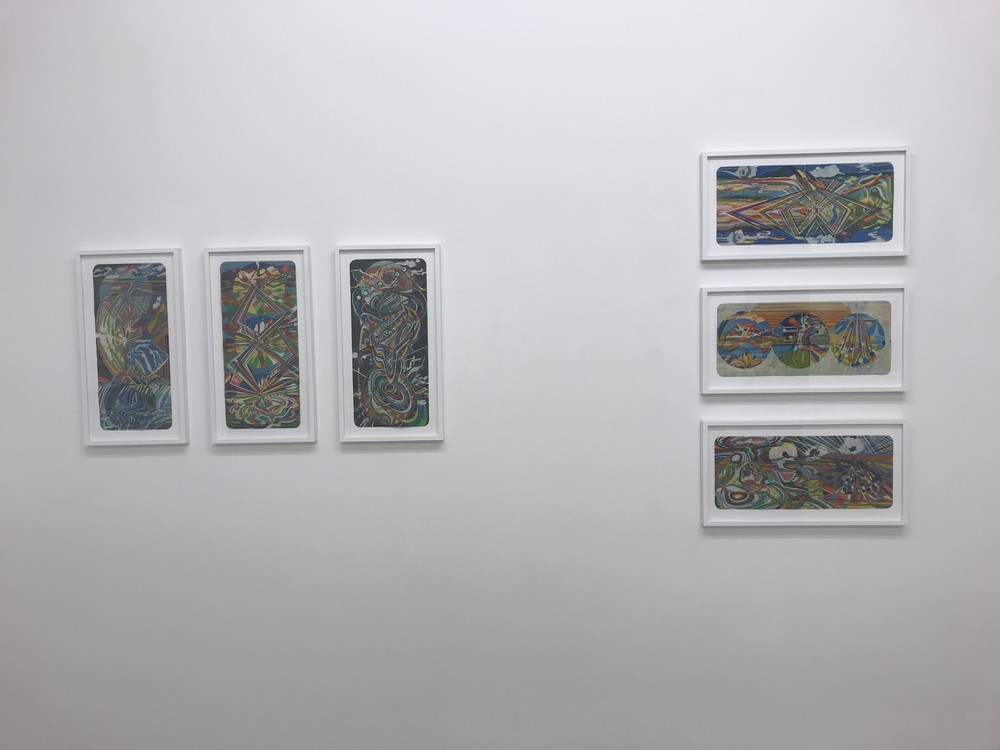
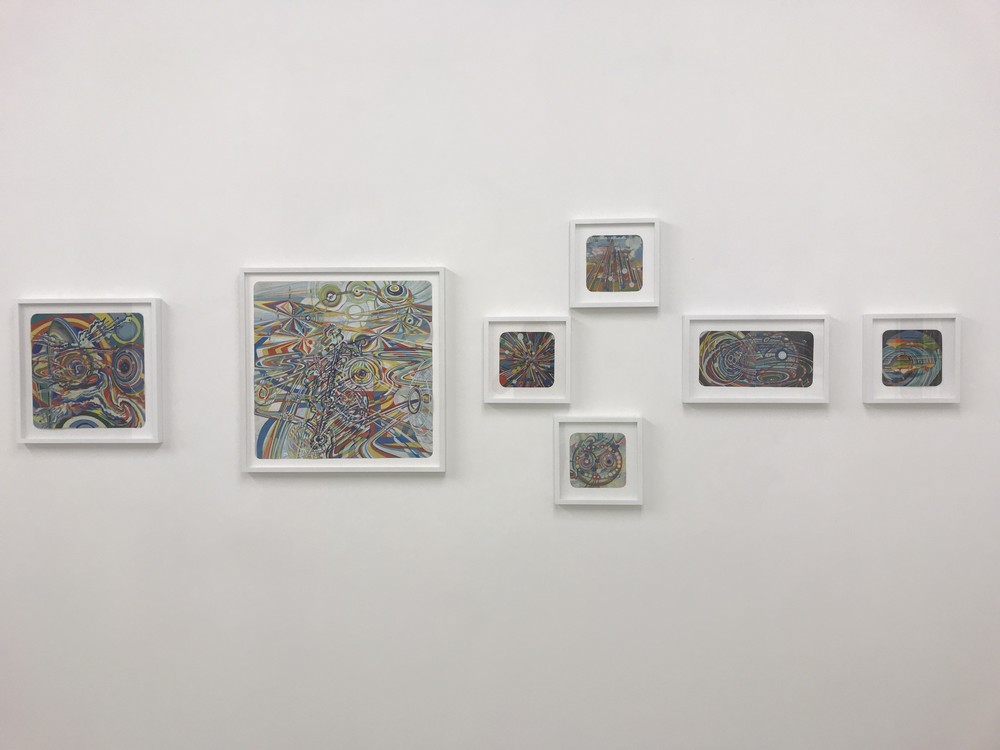
The paintings, for instance, have a distinct design sensibility, particularly in their use of shapes which prompt known imagery from the farthest corners of the cosmos. The artist's rugged line-work is often suggestive of the lunar landscape as we know it from pictures of the various moon landings of the 1960s and '70s. Her swirling primary colors and clashing hard-edge angles are reminiscent of recent telescope photographs of galaxies being born of dark matter and gaseous constellations. Reminiscent; but not exact, as Maier's work is the product of a meditative action painting technique, not that of an illustrative practice. If the works capture the essential building blocks of the universe it is because Maier mimics the spontaneity and passion that lives in all things rather than current scientific images. For her the very fact that we each have a brain means we can travel across the cosmos.
One particular new painting from this show—that of an orb-shaped tapestry of interwoven colours set against a solid backdrop of warm orange titled “Bloodmoon 2018”—captures the sentiment perfectly in that nothing in the known natural universe looks quite like this (save for art). In that way, Maier has not so much captured a planet as herplanet, and her planet modulates, undulates, and pressurizes with the tension of shape and color which define its limited parameters. They must somehow work together, click into place, so as to fit into the space they are given in Maier's world.
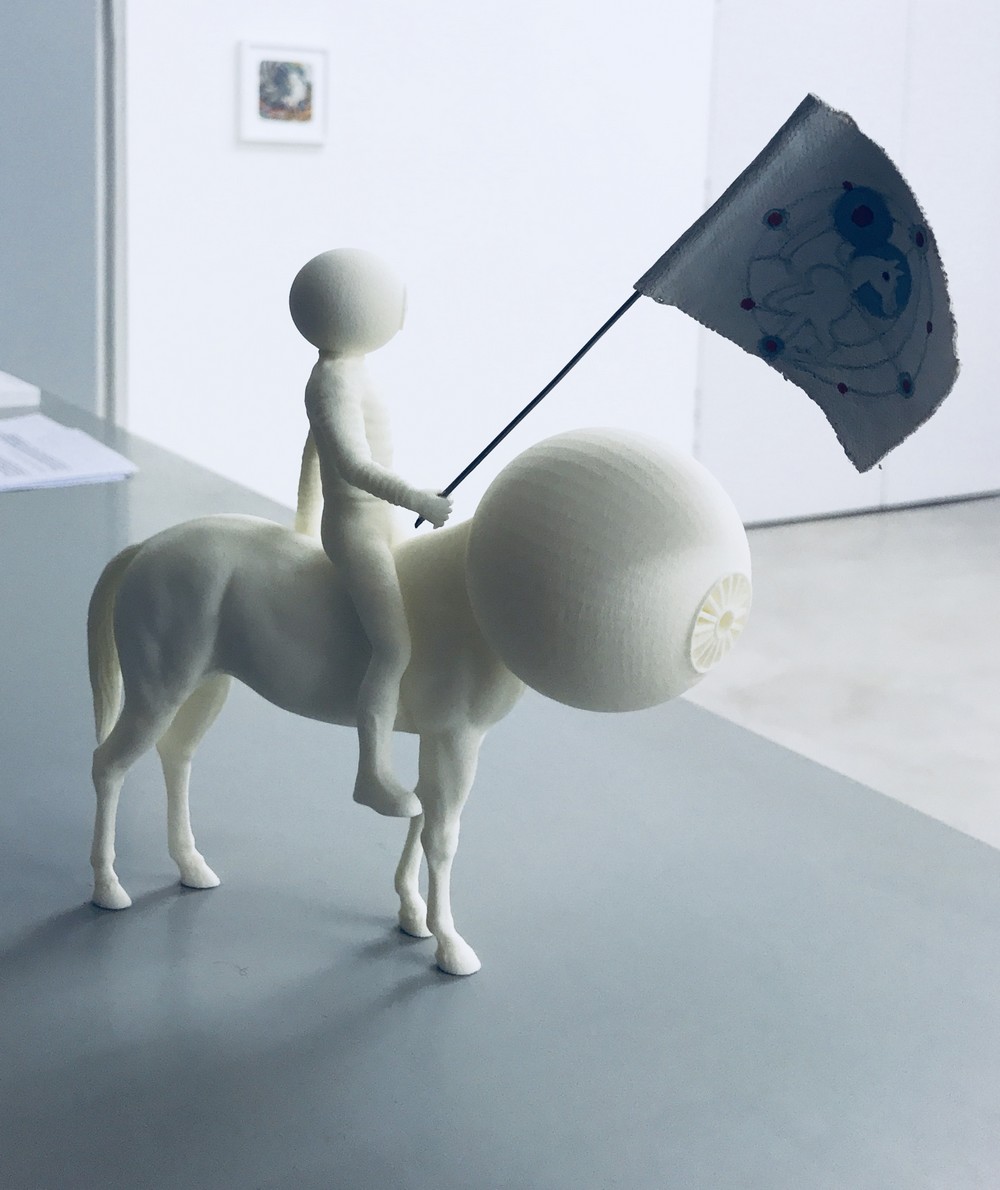
In the works of the great mystics—the kabbalists and alchemists of the Middle Ages—the tree, or “Tree of Life,” is emblematic of psycho-magic (as filmmaker Alejandro Jodorowsky calls it). It represents all those unconscious voices in one's family and culture which call to us in dreams and contemplation to transform them from their current state into a golden state of being through our mystical powers. Maier's planetary and lunar forms work similarly in that they allow the outline of nature to suggest allegory and transformation. This has increasingly become the case since Maier began making live-action films beginning in 2013 with The Map Is Not the Territory (her first). It features the artist disguised as an interstellar traveller which she calls the “Space Rider.”
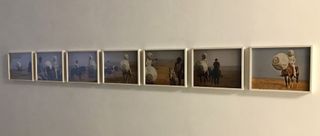
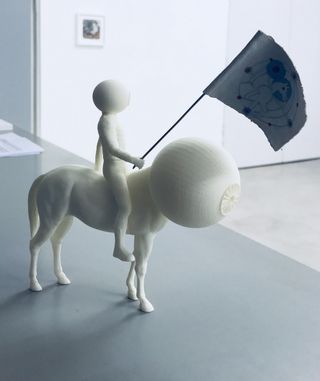
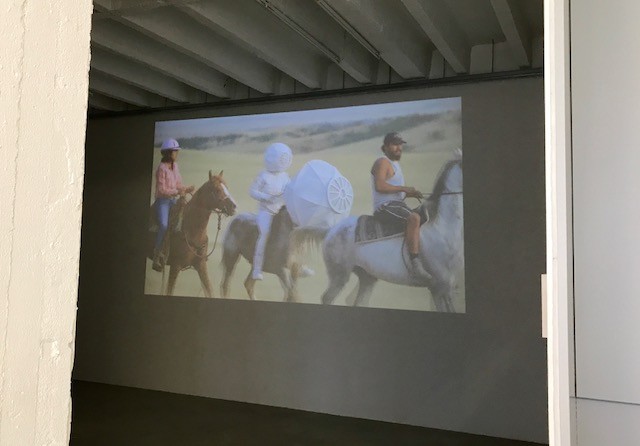
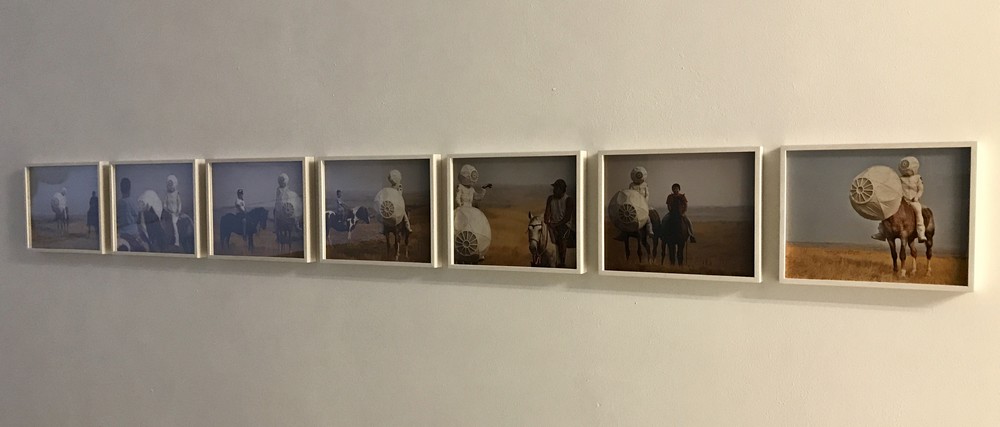
The Space Rider wears a white, orb-shaped helmet, like that of an Apollo-era spaceman or some alien character in a science fiction film; yet the likeness to popular culture and technology ends there. Maier's interest in the American space program is limited by the fact that the Space Rider's means of transportation is not the refrigerator-like spaceships of NASA, c. 1969, but rather the medieval emblem of European enchantment: the horse. Its head is also covered by an orb-shaped helmet which means the two of them—the humanoid and the animal—ride mostly without the use of sight. They must trust each other as they traverse known landscapes such as the Western hills of Wyoming, the cluttered, slogan-filled streets of New York City, and the barren flatlands of Indian territory in New Mexico. Several of these performances feature in the current exhibition—both in completed videos and in still images.
Unlike the paintings, the videos contain strong narrative references, the inevitable byproduct of linearity in filmmaking. Yet despite such grounding in contemporary media tropes there remains, as in the paintings, a spontaneous aspect which overrides any attempt to impart storyline or topicality on the films. The Space Rider and its horse plod ahead, encountering people and cultures of various types, yet as they do, something mysterious occurs. Our minds leave the horizontal plane of forwards and backwards, of differing identities, of good v. evil, and enter the realm of the vertical—of the place where we all share the same mysterious universe. And it is here that we cry out in one voice to fill us with something greater than the thing which divide us.
Brian Chidester